Showing posts with label Enterprise. Show all posts

Friday, November 6, 2020

Fujitsu introduces New Powerful ESPRIMO Desktop PCs and CELSIUS Workstations

Fujitsu announces new Desktop PCs and Workstations - ESPRIMO and CELSIUS Series.

Fujitsu ESPRIMO desktop PCs are more flexible and deliver higher performance powered by 10th Generation Intel® processor. 

Fujitsu ESPRIMO D7010

Fujitsu ESPRIMO D series comes in small factor in a 8.3-liter housing for both the advanced line ESPRIMO D7010 and premium line ESPRIMO D9010 models. ESPRIMO D Series an ideal choice for cost-conscious environments where space is limited. Even with its small form factor it comes with available expandability,  flexible slot and I/O interfaces. ESPRIMO D is perfect for fit for business, financial, education, training and office environments.

Fujitsu ESPRIMO Q7010 mini
Fujitsu ESPRIMO Q7010 mini 

The mini PC ESPRIMO Q in black or white elegant slimline casing that features an optical drive and integrated power supply. Gets up to 11 ports for unrivaled connectivity, ESPRIMO Q is suitable for office and retail use with guaranteed chipset stability for 24 months for the space-saving ESPRIMO Q7010 mini PC model: a key requirement for custom-build applications where each update must be verified for compatibility.

Fujitsu ESPRIMO G9010

The Ultra-small ESPRIMO G series fits into a 0.9-liters casing includes a fan-less cooling model for truly silent running in an ergonomic work environment. Makes use of single USB-C cable delivering blazing performance as well as serve as power and display output where the system can be mounted out of sight on the back of a display. The ESPRIMO G5010 and superior level ESPRIMO G9010 are a popular choice for workplace modernization, for training and education, for home office use and in as regular desktops in small- and mid-size enterprises and for digital billboards.

Fujitsu ESPRIMO P9910
Fujitsu ESPRIMO P9910 

The micro tower ESPRIMO P series is topped by the ESPRIMO P9910, which supports full-length graphics cards and offers four PCIe slots for system expansion. Has a 680-watt power supply to easily cope with special purpose add-in cards. The ESPRIMO P series is popular for police forces, public transportation offices and in the manufacturing sector, thanks to in-band or vPro manageability paired with the latest BIOS and operating system guarantees provisioning speed and save administration costs.


Refreshed CELSIUS Workstations 

Fujitsu has upgraded their two CELSIUS desktop workstations to make use of the latest 10th generation Intel processors. 

Fujitsu CELSIUS J5010
Fujitsu CELSIUS J5010


CELSIUS J5010
sports a new small form factor with 8.3-liter housing, 17% smaller than the previous generation but can accommodate full-height graphics cards, up to the NVIDIA Quadro P2200. This quiet powerful workstation is ideal for use in design, visualization, multimedia and manufacturing particularly Computer Aided Design (CAD).

The micro tower CELSIUS W5010 workstation gets dual-slot professional graphics cards which can accommodate full-length graphics cards up to the NVIDIA Quadro RTX 5000 and gets optional, more powerful, 680-watt power supply for running  most-demanding CAD, Computer-Aided Engineering (CAE), Media and Entertainment (M&E) applications. CELSIUS W5010 is great for security and surveillance, healthcare, telecommunication as well as the public sector. 

The new Fujitsu ESPRIMO and CELSIUS powerful desktop devices powered by Intel 10th Generation Processors, offers a complete range of fully featured and highly expandable PCs. With the best-in-class product development and outstanding production quality, the new Fujitsu lineup of desktop PCs and workstations ensure superior reliability for enterprises to drive business success of today and tomorrow.


Read More »

Wednesday, October 7, 2020

ePLDT partners with Acronis offering better Cyber Protection Solutions to Business and Enterprise

With the ongoing COVID-19 global pandemic, enterprises need to employ Disaster Recovery and Business Continuity Plans to ensure continued operations given these uncertain times.

To cater to businesses, ePLDT, the ICT arm of PLDT Enterprise, has strategic partnered with Acronis to bolster its portfolio. Renowned for setting the standard for cyber protection, Acronis offers its award-winning AI-based Active Protection technology, blockchain-based authentication and unique hybrid-cloud architecture to protect all data in physical, virtual, cloud, mobile workloads and applications – all at a low and predictable cost. Both organizations strengthened their portfolio and footprint following the partnership on marketing and technology.

Jovy Hernandez, ePLDT President & CEO and SVP & Head for PLDT and Smart Enterprise Business Groups adds “Part of our mission is to innovate and co-innovate with partners in support of our thrust which is to simplify the complex for our customers. We are pleased to partner with Acronis for us to truly deliver solutions of real value to the market and we are sure that our combined expertise in DR systems will enable enterprises to work with ease of mind and confidence,”

According to Acronis’ recent Cyber Readiness Report 2020, 92% of global companies adopted new technologies to enable remote work. Same research shows 50% of these companies have encountered cyberattacks at least once a week in the past few months making it critical for enterprises to ensure their preparedness for the new way of doing business and be able to respond to disruptions.

Vic Tria, PLDT FVP and Enterprise Revenue Group Head states “The increasing need to employ work-from-home arrangements today requires extreme vigilance when it comes to securing a company’s IT infrastructure. We believe that this partnership will allow us to better improve the Disaster Recovery and Business Continuity Plans of our customers in different industries - which are crucial given these uncertain times,"

Through the partnership, ePLDT will be offering solutions that will leverage on the Acronis Cyber Cloud - a platform that enables service providers to deliver data protection in an easy, efficient and secure way. One solution is Data Back-up and Recovery Solution, customers can gain access to hybrid cloud backup, recovery and AI-powered anti-malware, manageable from a single, comprehensive console.

Jeff Mendoza, PLDT Enterprise Asia Pacific Regional Head shares “These platforms will enable ePLDT to deliver not only an easy, and efficient access to backup and disaster recovery for its customers, thru a single management console, but also provide an additional layer of cyber protection,”

ePLDT and Acronis has formalized their partnership with the signing of a Memorandum of Understanding, with the said new products set to be introduced subsequently.

“We are delighted to closely collaborate with ePLDT on delivering innovative and impactful solutions to businesses here in the Asia Pacific, right after announcing the launch of Acronis Cyber Protect Cloud, our fully integrated cyber protection solution for businesses” said Neil Morarji, Acronis General Manager for APAC. “Moving forward, our portfolio of services will allow companies to ensure their ultimate cyber protection – one that solves safety, accessibility, privacy, authenticity, and security (SAPAS) challenges of the modern digital world, no matter what form their work operations take. They will stay protected with superior and expert support from ePLDT and Acronis.”


Read More »

Friday, February 1, 2019

IDC Philippines Reveals TOP ICT Predictions for 2019 and Beyond.

IDC Predicts for 2019 and beyond by 2020, at east 30% of organizations and companies will push for "digital determination" by re-imagining the future through innovative business models and digitally enabled products and services transformation their respective markets, operations and businesses.


"To be digitally determined, Philippine organizations require more than just resilience; they need a 'blueprint' that consists of a unified enterprise strategy, a long investment plan based on the principle that digital is inherently valuable to the business, and a single digital platform to scale technology innovations," said Sudev Bangah, Managing Director for IDC ASEAN. "But aside from these technical aspects, digital determination involves having the will to make the required organizational and cultural changes to better adapt in today’s digital transformation age," he added.


Bangah added, "New technologies are changing paradigms for individuals, businesses, industries, economies, and governments. The race to the future enterprise has begun. And with digital disruption becoming the new normal, no one and no entity will be spared of the need to at least reset or reboot themselves, if not reinvent."IDC puts together 10 Key Trends Opportunities and Challenges for IT Managers for 2019 and Beyond.

IDC puts together 10 Key Trends Opportunities and Challenges for IT Managers for 2019 and Beyond:

#1: Digital determination. By 2020, at least 30% of organizations will be digitally determined, transforming markets and reimagining the future through new business models and digitally enabled products and services.


#2: Digital trust. By 2020, 40% of CIOs will initiate a digital trust framework that goes beyond preventing cyberattacks and enables organizations to resiliently rebound from adverse situations, events, and effects.


#3: Digital KPIs. By 2023, 55% of entities will have incorporated new digital KPI sets – focusing on product/service innovation rates, data capitalization, and employee experience – to navigate the digital economy.


#4: Data monetization. By 2021, 40% of large enterprises will create data management or
monetization capabilities, thus enhancing enterprise functions, strengthening competitiveness, and creating new sources of revenue.


#5: BizOps. By 2021, 45% of CIOs will expand agile/DevOps practices into the wider business to achieve the velocity necessary for innovation, execution, and change.


#6: Digital twin. By 2023, 30% of the Philippines' top 1,000 companies will have implemented advanced digital twins of their operational processes, which will enable flatter organizations and onethird-fewer knowledge workers.


#7: AI-driven edge. By 2023, over 30% of organizations' cloud deployments will include edge computing, and 15% of endpoint devices and systems will execute AI algorithms.

#8: Blockchain-enabled DX platforms. By 2023, prominent in-industry value chains, enabled by blockchains, will have extended their digital platforms to their entire omni-experience ecosystems, thus reducing transaction costs by at least 30%.


#9: AI is the new UI. By 2024, AI-enabled user interfaces and process automation will replace onethird of today's screen-based applications. By 2022, 30% of enterprises will use conversational speech technology for customer engagement.


#10: AI governance. By 2022, 30% of enterprises will task CIOs to transform and modernize governance policies to seize the opportunities and confront new risks posed by AI, machine learning, and data privacy and ethics.


Read More »

Thursday, November 29, 2018

RCBC Savings Bank partners with AFFI to empower SMEs

RCBC Savings Bank (RSB) continues to support Filipino entrepreneurs at the AFFINITY 1st Franchise and Business Summit 2018.


Organized by the Association of Filipino Franchisers Inc. (AFFI) and co-presented by RSB, the summit pooled together start-up business owners, franchisors and franchisees for a series of coaching sessions and sharing of best practices featuring well-known industry experts.


 “RCBC Savings Bank and AFFI share the same vision of building up SMEs, more importantly Filipino entrepreneurs, and ensuring their success. That is why it is important to have all the good mentors you can get to help you in this journey. RSB is one of them,” said Elmer Aquino, RSB national product head for SMEs. Aside from supporting the business summit, RSB will also collaborate with AFFI to develop an SME loan geared towards the entrepreneurs’ unmet needs.

It has been since January 2018, RSB has been conducting a series of Grow SME forums nationwide to empower and mentor aspiring entrepreneurs and small business owners with the right entrepreneurial mindset and financial management.


RSB vice president and national product head for SMEs Elmer Aquino receives a plaque of appreciation from AFFI president Marie-Joyce Co Yu during the AFFINITY 1st Franchise and Business Summit 2018. Joining them are (from right) AFFI chairman Enrique Pablo Caeg, corporate secretary Jelyn Chung, and vice president for Education Jose Carlos Martinez.
Read More »

Wednesday, September 26, 2018

JG Summit Upgrades Employee Experience with Microsoft Office 365 and Cloud Platform

JG Summit Holdings Inc. aims to achieve this goal through a digital transformation journey that will embed digitalization in its core business strategies to meet the evolving needs and lifestyle not just of its customers, but also of its employees.

“Our vision is to be the leading digital conglomerate in the Philippines. To achieve that goal, multiple groups within the JG Summit Business Units, Subsidiaries, and Affiliates have been working behind the scenes to bring about this transformation,” said JG Summit President and CEO Lance Y. Gokongwei.


(L to R): Jackie Buenviaje, Account Executive, Microsoft Philippines, Carlos Santos, Group Chief Information Officer, JGSHI, Lance Y. Gokongwei, President and Chief Executive Officer of JGSHI, Andrea Della Mattea, President, Microsoft Asia Pacific, Alberto Granados, Vice President, Microsoft Asia Pacific, Ricky Kapur, General Manager, Enterprise Operations Unit, Microsoft Asia Pacific, Tanya Aguila – Loo, Specialist Technology Unit Lead, Microsoft Philippines

Among the initiatives will be to upgrade the employee experience across the entire conglomerate through the use of Microsoft Office 365 and the cloud platform. JG Summit is transitioning from on-premise systems to Microsoft’s cloud services.

Office 365 is a set of Microsoft applications that allows users belonging to the same network to store files and share information.  Compared to earlier versions of Microsoft applications, Office 365 uses the cloud platform, which offers agility, greater efficiency and security benefits.

JG Summit’s move to the cloud platform will further enable its employees to transform their environment into a digital workplace. With this project, the conglomerate envisions a New Culture of Work where employees will be introduced to the Modern Digital Workplace which will empower people across the organization to achieve more by enabling better communication, collaboration, and sharing of information from computers to mobile phones in a single cohesive platform.

The first step is to migrate everyone away from current e-mail platform and put everyone up unto the cloud platform accessible from anywhere in the world and enable collaboration on any device.

Ricky Kapur, General Manager, Enterprise Operating Unit, Microsoft Asia Pacific, reiterated how JG Summit’s initiatives closely aligns with Microsoft’s mission. “At Microsoft, we empower every person and every organization to do more. The fourth industrial revolution is here, and organizations must digitally transform not just to optimize operations, but to enable their people. We’re very excited to work with JG Summit and be part of their digital transformation journey.”

JG Summit is one of the largest and most diversified Filipino conglomerates, engaged primarily in businesses that serve a growing middle class with rising disposable incomes in the Philippines, Southeast Asia, and Australasia.  These businesses include branded snack foods and beverages, commodities, agro-industrial businesses, air transportation, banking, real estate, and petrochemicals.
Read More »

Friday, June 1, 2018

Philippine Potential Economic Loss at $3.5 Billion Due to Cybersecurity threats - Microsoft

Microsoft commissioned a study to be conducted by Frost & Sullivan regarding “Understanding the Cybersecurity Threat Landscape in Asia Pacific: Securing the Modern Enterprise in a Digital World” that  aims to provide business and IT decision makers with insights on the Economic cost of Cybersecurity Breaches in the region and identify the gaps in organizations’ cybersecurity strategies. The study involved a survey of 1,300 business and IT decision makers ranging from mid-sized organizations (250 to 499 employees) to large-sized organizations (>than 500 employees).

Security experts discuss the economic impact of cybersecurity in the PH during Microsoft’s study launch. From L-R: Hans Bayaborda, Managing Director, Microsoft Philippines; Mary Jo Schrade, Assistant General Counsel, Microsoft Digital Crimes Unit, Microsoft Asia; Angel “Lito” S. Averia, Jr., President, Philippine Computer Emergency Response Team; Atty. Raul Cortez, Corporate, External, and Legal Affairs Lead, Microsoft Philippines.

The  Microsoft and Frost & Sullivan study revealed that the potential economic loss in the Philippines due to cybersecurity incidents can hit a staggering US$3.5 billion which is 1.1 percent of the Philippines’ total GDP of US$305 billion[1]. In addition, more than half of the organizations surveyed in the Philippines have either experienced a cybersecurity incident (18%) or are not sure if they had one as they have not performed proper forensics or data breach assessment (34%).


“As companies embrace the opportunities presented by cloud and mobile computing to connect with customers and optimize operations, they take on new risks,” said Hans Bayaborda, Managing Director, Microsoft Philippines. “With traditional IT boundaries disappearing the adversaries now have many new targets to attack. Companies face the risk of significant financial loss, damage to customer satisfaction and market reputation — as has been made all too clear by recent high-profile breaches.”

The True Cost of Cybersecurity Incidents – Economic, Opportunity and Job Losses

The study also focuses more on economics and employment.

The study finds that a large-sized organization in the Philippines can possibly incur an economic loss of US$7.5 million, more than 200 times higher than the average economic loss for a mid-sized organization (US$35,000); and Cybersecurity attacks have resulted in job losses across different functions in seven in ten (72%) organizations that have experienced an incident over the last 12 months.


To measure the cost of cybercrime, Frost & Sullivan has created an Economic Loss Model based on macro-economic data and insights shared by the survey respondents. This model factors in three kinds of losses which could be incurred due to a cybersecurity breach -  Direct, Indirect and Induced.

Direct are Financial losses associated with a cybersecurity incident which includes loss of productivity, fines, remediation cost, etc;

Indirect is the opportunity cost to the organization such as customer churn due to reputation loss; and

Induced is the impact of cyber breach to the broader ecosystem and economy, such as the decrease in consumer and enterprise spending.

“Although the direct losses from cybersecurity breaches are most visible, they are but just the tip of the iceberg,” said Edison Yu, Vice President and Asia Pacific Head of Enterprise for Frost & Sullivan. “There are many other hidden losses that we have to consider from both the indirect and induced perspectives, and the economic loss for organizations suffering from cybersecurity attacks can be often underestimated.”

In addition to financial losses, cybersecurity incidents are also undermining the Philippines organizations’ ability to capture future opportunities in today’s digital economy, with more than half (57%) respondents stating that their enterprise has put off digital transformation efforts due to the fear of cyber-risks.

Key Cyberthreats and Gaps in the Philippines Organizations’ Cybersecurity Strategies

Besides external threats, the research also revealed key gaps in organizations’ cybersecurity approach to protect their digital estate:

Although high-profile cyberattacks, such as ransomware, have been garnering a lot of attention from enterprises, the study found that for organizations in the Philippines that have encountered cybersecurity incidents, data exfiltration and data corruption are the biggest concern as they have the highest impact with the slowest recovery time.

Security an afterthought: Only 44% of organizations consider cybersecurity before the start of a digital transformation project. Majority of respondents (56%) either think about cybersecurity only after they start on the project or do not consider it at all. This limits their ability to conceptualize and deliver a “secure-by-design” project, potentially leading to insecure products going out into the market;


 Creating a Complex Environment: Negating the popular belief that deploying a large portfolio of cybersecurity solutions will render stronger protection, the survey revealed that 17% of respondents with more than 50 cybersecurity solutions could recover from cyberattacks within an hour. In contrast, more than twice as many respondents (38%) with fewer than 10 cybersecurity solutions responded that they can recover from cyberattacks within an hour; and

Lacking cybersecurity strategy: While more and more organizations are considering digital transformation to gain competitive advantage, the study has shown that 46% of respondents see cybersecurity strategy only as a means to safeguard the organization against cyberattacks rather than a strategic business enabler. A mere 25% of organizations see cybersecurity strategy as a digital transformation enabler.

“The ever-changing threat environment is challenging, but there are ways to be more effective using the right blend of modern technology, strategy, and expertise,” added Hans. “Microsoft is empowering businesses in the Philippines to take advantage of digital transformation by enabling them to embrace the technology that’s available to them, securely through its secure platform of products and services, combined with unique intelligence and broad industry partnerships.”

Microsoft tags Artifical Intelligence (AI) as the Next Frontier in Cybersecurity Defense


In a digital world where cyberthreats are constantly evolving and attack surface is rapidly expanding, AI is becoming a potent opponent against cyberattacks as it can detect and act on threat vectors based on data insights. The study reveals that more than almost four in five (79%) organizations in the Philippines have either adopted or are looking to adopt an AI approach towards boosting cybersecurity.

AI’s ability to rapidly analyze and respond to unprecedented quantities of data is becoming indispensable in a world where cyberattacks’ frequency, scale and sophistication continue to increase.

An AI-driven cybersecurity architecture will be more intelligent and be equipped with predictive abilities to allow organizations to fix or strengthen their security posture before problems emerge. It will also grant companies with the capabilities to accomplish tasks, such as identifying cyberattacks, removal of persistent threats and fixing bugs, faster than any human could, making it an increasingly vital element of any organizations’ cybersecurity strategy.

Recommendations for the Modern Enterprise in a Digital World

AI is but one of the many aspects that organizations need to incorporate or adhere to in order to maintain a robust cybersecurity posture. For a cybersecurity practice to be successful, organizations need to consider People, Process and Technology, and how each of these contributes to the overall security posture of the organization.

To help organizations better withstand and respond to cyberattacks and malware infections, Experts suggest Five Best Practices in improving their defense against cybersecurity threats:

Position cybersecurity as a digital transformation enabler: Disconnect between cybersecurity practices and digital transformation effort creates a lot of frustration for the employees. Cybersecurity is a requirement for digital transformation to guide and keep the company safe through its journey. Conversely, digital transformation presents an opportunity for cybersecurity practices to abandon aging practices to embrace new methods of addressing today’s risks;

Continue to invest in strengthening your security fundamentals: Over 90% of cyber incidents can be averted by maintaining the most basic best practices.  Maintaining strong passwords, conditional use of multi-factor authentication against suspicious authentications, keeping device operating systems, software and anti-malware protection up-to-date and genuine can rapidly raise the bar against cyberattacks. This should include not just tool-sets but also training and policies to support a stronger fundamental;

Maximize skills and tools by leveraging integrated best-of-suite tools. The best tools are useless in the hands of the amateur. Reduce the number of tools and the complexity of your security operations to allow your operators to hone their proficiency with the available tools. Prioritizing best-of-suite tools is a great way to maximize your risk coverage without the risk of introducing too many tools and complexity to the environment. This is especially true if tools within the suite are well-integrated to take advantage of their counterparts;

Assessment, review and continuous compliance: The organization should be in a continuous state of compliance. Assessments and reviews should be conducted regularly to test for potential gaps that may occur as the organization is rapidly transforming and address these gaps. The board should keep tab on not just compliance to industry regulations but also how the organization is progressing against security best practices; and

Leverage AI and automation to increase capabilities and capacity: With security capabilities in short supply, organizations need to look to automation and AI to improve the capabilities and capacity of their security operations. Current advancements in AI has shown a lot of promise, not just in raising detections that would otherwise be missed but also in reasoning over how the various data signals should be interpreted with recommended actions. Such systems have seen great success in cloud implementations where huge volumes of data can be processed rapidly. Ultimately, leveraging automation and AI can free up cybersecurity talents to focus on higher-level activities.

To better understand the cyberthreats happening globally and in Asia Pacific, please download the Microsoft Security Intelligence Report Volume 23 here > https://info.microsoft.com/ww-landing-Security-Intelligence-Report-Vol-23-Landing-Page-eBook.html
Read More »

Tuesday, May 8, 2018

Brave New World - Artificial Intelligence Impact on Work and Jobs

Brave New World – How AI Will Impact Work and Jobs

There’s no doubt that the advent of broadly-available Artificial Intelligence (AI) offers businesses the prospect of increased productivity and accelerated innovation, whilst also enabling society to help solve some of its toughest - and most persistent – challenges: disease, famine, climate control and natural disasters.


AI is already delivering tangible economic benefits for many organisations across Asia Pacific. For example, leading global container shipping company OOCL reports that applying AI to their business is already saving them $10m annually, whilst Apollo Hospitals in India are using AI to help predict heart disease amongst its patients.

While the benefits of Artificial Intelligence are undeniable, AI is a disrupter, especially when it comes to the displacement of jobs. The ramifications of AI on the workforce is a regular topic of discussion among CEOs and government leaders across Asia Pacific.

That said, it is also pertinent to examine the far-reaching implication that AI brings to the workforce. Will the social disruptions that AI can potentially create ultimately overshadow its benefits?

The Evolution of Jobs in the AI-Shaped Future
To put things in perspective: large-scale disruption is a challenge with every industrial revolution. Technology will always have profound implications on the creation, elimination, or evolution of jobs. For example, just a few years ago, it was common for offices to have a pool of typists. Clearly, this role is no longer relevant in today’s modern office, thanks to the proliferation of personal computing. The advent of AI will reshape jobs in a similar way.

Microsoft recently partnered with the leading technology advisory firm IDC to assess the digital transformation landscape across the region. Titled “Unlocking the Economic Impact of Digital Transformation in Asia Pacific”, the study surveyed 1,560 business and IT leaders from 15 Asia Pacific economies[i]. It showed that 85% of jobs in Asia Pacific will be transformed in the next three years. (See chart below)


Diving deeper into the results, the respondents said that over 50% of jobs will be redeployed to a new position and/or retrained and upskilled for digital transformation. What’s interesting is that the Study shows that 26% of jobs will be newly created roles from digital transformation, which will offset the 27% of jobs that will he outsourced or automated. In other words, the overall workforce effect will be broadly neutral.

These are clear indications that how businesses organize work, how people find employment and the skills people need to prepare for the workforce are changing dramatically. These changes are likely to accelerate in the decade ahead.

As AI continues to transform the nature of work, education, skills, and training will have to transform as well in order to ensure that people are prepared for the jobs of the future and businesses have access to the talent they need to succeed. And as traditional models of employment transform, there will be a need to modernize legal frameworks to recognize new ways of working, provide adequate worker protections, and maintain social safety nets.

Building a Better Future Together


The recently published, ‘The Future Computed, Artificial Intelligence and its Role in Society’, makes sense of this AI conundrum as it offers three conclusions on AI and the impact on work and jobs:.

Photo of a stack of books entitled "The Future Computed"

(You can download the book here for free today).

First, the organizations and countries that will fare best in the AI race will be early adopters. The reason is straightforward: AI will be useful wherever intelligence is needed and it helps us to be more productive in nearly every field of human endeavor, which can lead to economic growth. Put simply, new jobs and economic progress will favor those that embrace the technology, not those that resist it.

Second, while AI will help improve daily life in many ways and help solve big societal problems, its important to remain critical when examining the issues that it can bring. Beyond AI deployment, what’s equally important is to prepare society and the workforce for the impending changes that AI will catalyze by addressing the need for strong ethical principles, the evolution of laws, the importance of training for new skills, and even labor market reforms. These aspects must all come together in order to make the most of this new technology.

Third, to fully realize the benefits of AI, and to minimize the negative outcomes, technology companies, private and public organizations need to come together with a sense of shared responsibility -- AI must be democratized.

The AI building blocks that Microsoft is developing today, such as computer vision, speech, and knowledge recognition, should be made available to all so that they can create their own AI-based solutions. AI should not be controlled by just a few organizations. The AI future should be built by everyone with a vision on how AI can benefit economies and societies as well as how we can tackle AI issues and their implications.

The future of AI can burn brightly or dimly. Disruption is a norm, and the ability to adapt to disruptions is what defines all of us. And to adapt to the fast-approaching, rapidly evolving AI future, all parties – from workers to enterprises to governments - will need to spend more time listening to each other, collaborate and constantly learn new knowledge and skills.
Read More »

Wednesday, April 4, 2018

Microsoft organizes the first, Azure Summit in the Philippines!

Microsoft Philippines showcased Microsoft Azure services in the first ever Azure Summit in the Philippines! The service enables organizations to open new possibilities, accelerate innovation, future proof their business, and stay compliant and secure

(from L-R) Microsoft Philippines COO Christian Lim, James Indino – VP-IT of Philcare, Marian Lontoc – IT Sales Director – Crayon, Andres Valencia – Global VP of ISV and Verticals, Crayon, Dir Angel Magtalas - ICTSS, Dept of Budget and Management, and Microsoft Philippines Managing Director Hans Bayaborda.
At the event, Microsoft gave a glimpse of what to expect from Azure as it help organizations with their Digital Transformation. Several Microsoft partners and clients – including Crayon, Philcare, and the Department of Budget and Management – shared their own stories of, and insight into digital transformation (DT) with Microsoft Azure. Attendees also heard from several Microsoft executives on actionable insights from their latest DT study. Microsoft’s own inspiring DT journey as a company was brought up by Hans Bayaborda, Microsoft Philippines Country Manager.

The event was well received by Filipinos as it was attended by over 900+ IT/Data Pros delegates, eager to see how organizations are using technology to change the game. Microsoft also gave away 25 Azure certifications to enable even more organizations through the cloud.

Read More »

Tuesday, March 20, 2018

IP Converge Data Services, Inc. #DiscoverDigital 2018 Game Changing Nature of Productivity Applications

Local cloud services pioneer IPC (IP Converge Data Services, Inc.) opened its digital transformation seminar series this year with an insightful discourse on how productivity applications are changing the workplace for the better.

IPC Director for Marketing and Digital Innovation Niño Valmonte encourages business reps to find new and better ways to improve office productivity.
Dubbed as ‘Business over Beers,’ the first of IPC’s #DiscoverDigital series for 2018 was recently held at ASPACE Greenbelt, Makati. The event gathered more than 40 business representatives -- whose core competencies range from Information Technology, Media, Finance, General Trade, and Professional Services to discuss how cloud-based solutions like Google Maps, Google Chrome and Chrome devices, and G Suite can help boost office productivity, communication and collaboration.

Google works far more than just its search engine and email feature. Google Maps, for instance, aids in brand awareness and market research. It helps increase the business’ visibility online by managing its search ranking, as well as present data, locate mobile teams in real-time, and see how visitors use the maps’ functionalities.

Google Chrome provides organizations with advanced tools for a fast and secure web browsing experience, while its Chrome devices are managed and configured in the cloud and can take different forms -- from a conventional laptop, to a small box that plugs into any modern monitor, to a tiny device that plugs directly into an HDMI port on a screen. On the other hand, G Suite is a set of intelligent apps that can help employees share and work on documents at the same time, input data and create presentations, as well as interact with other employees.

Niño Valmonte, IPC’s Director for Marketing & Digital Innovation emphasized that “In the spirit of game changing, we came up with this live sitcom-type demo to show clients that, just like veering away from the usual events with product-centric slide presentations, there is a different and better way of getting work done faster, smarter, and easier. Optimum workplace productivity and operational efficiency is possible through Google’s G Suite, Maps API and various Chrome devices.”

With this activity, IPC invited businesses for a collaboration to use applications from Google Cloud, and see how these can improve the business.

IPC’s #DiscoverDigital campaign is composed of various activities that share the latest innovations, trends, and best practices that are shaping the world of business IT. These are addressed to empower Filipino enterprises and organizations, whether large or SMEs to keep ahead with the digital changes of the times.

To register for IPC’s #DiscoverDigital events, visit http://www.ipc.ph/discoverdigital and follow IPC on Facebook, LinkedIn, and Twitter.

Read More »

Wednesday, February 14, 2018

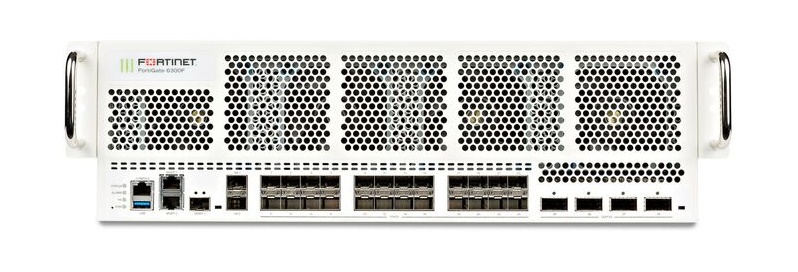
Fortinet Introduces FortiGate 6000F series, Industry’s Fastest 100 Gbps+ Next-Generation Firewall Appliance.

Taguig City, February 13, 2018. Fortinet® (NASDAQ: FTNT), the global leader in broad, integrated and automated cybersecurity solutions, today introduced its FortiGate 6000F Series of Next-Generation Firewalls (NGFW).


The first in the series, the FortiGate 6000F incorporates a new hardware processing architecture that delivers the validated performance of a Fortinet chassis in a compact appliance form-factor to deliver advanced security for exponentially increasing.

The FortiGate 6000F series NGFWs are ideally suited for enterprise edge networks that prioritize threat protection and encryption inspection throughput in a form-factor that enables high density, energy efficiency, and deployment simplicity.

The FortiGate 6000F is built around Fortinet’s next-generation hardware architecture that combines discrete, multi-cpu processing cards that enable chassis-class performance, resilience, and capacity.

Delivers unparalleled processing power and speed to meet the security needs of enterprise edge traffic with industry-leading encrypted traffic inspection, threat protection and NGFW performance.

The Next-Generation of FortiGate 
Fortinet’s new F-series includes the FortiGate 6300F and FortiGate 6500F, which are high-performance, compact and easy to manage NGFW appliances that are integrated within the Fortinet Security Fabric.

Advanced Security Capabilities and Performance: The 6000F series are the industry’s fastest NGFW appliances, delivering advanced threat protection and SSL inspection performance to handle massive volumes of traffic at the network edge.


High Speed and Flexible Interfaces: High density zSFP+ and QSFP28 interfaces support 10G, 40G, 100Gbps and new 25G data rates to provide high speed connectivity and increased flexibility as enterprises migrate to higher density designs.

Security Fabric Integration: FortiGate firewalls serve as the foundation of the Fortinet Security Fabric and run FortiOS, the world’s most deployed network security operating system. The Fortinet Security Fabric provides broad, integrated, and automated security that is required to protect the vast digital attack surface created by digital transformation.

Next-Generation Hardware Architecture
An industry first for a security appliance, Fortinet’s next-generation hardware architecture leverages compact internal processing cards that are miniaturized versions of the blades typically used in cutting-edge modular security chassis. Each processing card combines multiple 12-core CPUs, Security Processing Units (SPUs), and Content (CP9) and Network Processors (NP6) into a discrete unit. The FortiGate 6000F series can support up to ten discrete processing cards in a 3U appliance.

The innovative design enables traditionally chassis-only benefits like high resilience and session scale while also delivering advanced security capabilities at breakthrough speeds never before seen in a compact appliance form-factor. The architecture provides additional benefits like hardware load balancing using new custom Distribution Processors (DP3) that intelligently assign tasks between the discrete processing cards.

Increase in Multi-Cloud Networks and Encrypted Traffic Requires Security Speed & Scale
Multi-cloud environments and the increasing use of IoT and mobile devices to access mission-critical applications are drastically increasing the volume of encrypted data on enterprise edge networks. The adoption of these technologies is also increasing bandwidth, throughput, and session capacity requirements that are driving enterprises to modernize their edge networks.

Additionally, the expanded digital attack surface and complex threat landscape is escalating the need for advanced security protections that can be applied with speed and scale across all connected devices. Security appliances need to be able to deliver the high performance required to protect encrypted traffic at the enterprise edge with a compact, modern interface that can seamlessly grow capacity in a smaller, efficient physical footprint.

“Enterprise adoption of the cloud is massively increasing the volume of traffic that needs to be inspected at the enterprise edge. Add to this the ever-increasing percentage of encrypted traffic and today’s NGFW’s need to perform at levels unheard of five years ago. The FortiGate 6000F high-end firewall series is built upon a new architecture that delivers the industry’s highest threat protection and encryption inspection performance to ensure enterprises can scale their defenses and meet the evolving needs of their business.”, John Maddison, senior vice president of products and solutions, Fortinet.

“Our use of the cloud continues to expand to meet the evolving business needs of our users and customers. This growth has increased the amount of traffic crossing our networks and created an imperative to continue to maintain security standards across our entire infrastructure without impacting business productivity. Our extended IT infrastructure is absolutely critical to everything we do, so it’s invaluable to have the security performance and seamless protection that Fortinet provides across our physical and cloud-based domains.” - Stuart Berman, global security architect at Steelcase

“Cloud computing is becoming increasingly popular, but gaps in protection can occur if security solutions can’t keep pace with agile public, private, and hybrid cloud environments.  The growth of IoT and Mobility also puts large demands on performance and security architectures as data traverses these end points.  ePlus recognizes these advances and has invested significantly in providing our customers with comprehensive security solutions to meet these growing demands.  We are proud to partner with Fortinet and leverage their robust platform to both scale and secure these transformative environments.” - Pascal Perot, VP strategic alliances, security at ePlus
Read More »

Thursday, May 25, 2017

Microsoft launches Teams, a new way of collaboration for Business and Enterprise

Microsoft announced findings of its Asia Workplace 2020. The study involved 4,200 working professionals from 14 markets. 312 respondents are from the Philippines. Mainly aim to understand shifting employees behavior and gaps in the workplace in terms of productivity, collaboration and flexi-work practices.


For the Philippine setting, the study found that employees do not feel empowered to embraced the demands of the digital workplace. Other than that Philippine respondents consider themselves as mobile workers (79% respondents); 20% spent time working outside their office; 64% are empowered by organizational culture and managers to work productively and collaboratively; and 53% agreed that their organization is committed at leadership level to ensure every employee is included in closing the gap in digital skills of their workforce.


In earlier study in 2015, 58% said that they are ready to take on New World of Work with organization having the right People, Place and Technology to be productive, collaborative and innovative. 67% felt that market is slightly equipped.

In another study - Microsoft Asia Digital Transformation in 2016, "Empowered Employees" was the 2nd digital transformation priority for business leaders while digital skilled workforce was 3rd barrier for digital transformation.


With professionals being mobile, flexi-work is being embraced and organizations are looking for new workplace practices.

So taking all consideration for the demands of the evolving needs of the market, Microsoft offers Teams that brings together People, Conversation, Content and Tools.

Microsoft Teams is built on four promises - Chat for Today's Teams, Hub for Teamwork, Customization and Security.


Teams provides a modern threaded conversation experience to keep everyone engage. You can access multiple teams as well as easy to switch between projects. You can also set privacy settings to keep things private or be visible.

It is integrated with Office365 (Business License) and so Office Applications and services are available at your disposal! Share documents via Onedrive and it wll be availble for your team with SharePoint. Notes will be handled with OneNote.

Customize works spaces with tabs, connectors and bots from Microsoft tools (Planner, Visual Studio or any third Party applications. There are 150 integration are available and some are coming soon like SAP, Trello, Hipmunk, Growbot and ModuleQ.

Ensured to deliver hyper-scale and enterprise-grade advance security and compliance capabilities. Supports global standard - SOC1, SOC 2, EU Model Clauses, ISO270001 and HIPAA.

Microsoft Teams is chose by customers worldwide with more than 50,000 organizations started using since its preview announcement last November 2016 - Alaska Airlines, ConocoPhilipps, Deloitte, Expedia, J.B. Hunt, J. Walker Thompson, Hendrick Motorsports, Sage, Trek Bicycle and Three UK. In Asia, Amicus, Blackmores, Graincrop, Objective Corporation, Readify and RSL Queensland have adopted Microsoft Teams.

Read More »

Thursday, January 26, 2017

IBM Bluemix - Bring the Cloud Together

The next big step in the evolution of the IBM Cloud portfolio is here.


IBM Bluemix is integrating SoftLayer products and services into its vast catalog of infrastructure, platform, and application services.

The SoftLayer products, services, tools, systems, and support will become a cornerstone of a unified Bluemix cloud experience that delivers the performance, flexibility, and consistency of SoftLayer infrastructure alongside the extensive catalog of cloud resources that include IBM Watson services, development runtimes, containers, database services, and more.

With the integration of SoftLayer into the IBM Bluemix, one can only expect the best as it will bring all the cloud together with developer-centric compute models - Bluemix makes it easier to ship powerful, high-quality software every day.


What exactly is IBM SoftLayer, now Bluemix, and what does it do? 
The Bluemix cloud platform is not just about creating new apps or migrating existing ones, on-prem or off-prem implementations, or offering IaaS and PaaS cloud services. It is designed to bring all of these aspects together to help solve your real, complex business problems in the cloud.

If your organization requires high performance computing, or you manage very large databases, Bluemix provides leading edge, dedicated architecture and ease of provisioning specifically designed to accommodate high input/output intensity for online gaming, mobile applications and digital marketing.

For larger organizations that need a correspondingly high level of infrastructure control, it provides the ability to customize hardware, network control and control infrastructure via simple and intuitive application programming interfaces (APIs).


What makes Bluemix different and how can it help your business?
The IBM Bluemix cloud platform weaves together services, infrastructure and data to rapidly bring ideas into action. It simplifies the process of building systems that use data to understand, reason, and learn.
 
It also builds data rich software as apps and services become increasingly delivered through digital channels; analytics are the heart of personalization, establishing context and building systems that intuitively respond to both behavior and the environment.

Unlike some of its competitors, Bluemix also provides a unified integration and control panel for multiple cloud architectures — allowing for easy platform integration across dedicated, virtualised and cloud servers.

The Bluemix will simply drive your company’s existing IT into transformation.

If you’re ready to learn more about how IBM Bluemix can benefit your business, you may inquire with MSI-ECS at inquiry@msi-ecs.com.ph or call (02) 688-3512.

Read More »

Monday, June 27, 2016

SimpliVity Announces Remote Sites to Simplify and Offer Greater Choice for Enterprise

SimpliVity, a leader in hyperconverged infrastructure revolutionizing enterprise IT, today announced two new remote office and branch office (ROBO) solutions, OmniStack Solution with Lenovo System x for Remote Sites and OmniCube CN-1400, to provide greater choice and flexibility, centralized management and improved data protection capabilities for enterprise and mid-market customers with remote sites.


SimpliVity’s hyperconverged infrastructure provides global unified management eliminating the requirement for on-site IT expertise by consolidating all IT infrastructures for virtualized workloads at remote offices, including data protection, to simplify management and backup and restore data over existing WAN links. Several enterprise customers have already seen the value of SimpliVity’s ROBO solutions, including Sinclair Oil, Woodman’s Food Group, and Merlin Entertainments.


“Enterprises have struggled with managing IT infrastructure at remote sites since the data at ROBOs is often inadequately protected and IT staff is often non-existent. The challenge of keeping network bandwidth costs in-check has also plagued ROBO deployments, given the ever-growing volumes of data passing over the WAN,” said Jesse St. Laurent, VP Product Strategy, SimpliVity. “All our ROBO solutions are designed with enterprise-performance in mind as they deliver improved data protection and the ability to manage all remote sites from a single console – for even the largest enterprise customers. With an expanded portfolio of available x86 models optimized for ROBOs, we are able to offer enterprises increased flexibility and choice at their remote sites at a compelling price point.”

SimpliVity for Sinclair Oil

Headquartered in Salt Lake City, Sinclair Oil is the 51st-largest private company in the US with holdings including gas stations in 20 states, two refineries, and Grand America Hotels and Resorts in seven locations. With multiple road side properties and an IT staff centralized in Salt Lake City, being able to manage remote sites from a centralized location was critical for Sinclair Oil’s IT infrastructure and business as a whole. After first working to build a home-grown solution with legacy IT infrastructure, Sinclair Oil decided to speed up implementation by deploying SimpliVity OmniStack with                 Lenovo System x and SimpliVity OmniCube. The company has been impressed with SimpliVity’s ease of management and the integrated backup and recovery capabilities, which allows them to focus on driving business value rather than maintenance.

“With our old IT infrastructure, we used to have to travel to remote sites in Wyoming, Utah, Arizona, and California when things went wrong,” said Nathan Larsen, Director of IT, Sinclair Oil. “With our IT team centralized in Utah, SimpliVity’s global unified management is a real difference-maker. We can now manage all our remote sites from a centralized location, and all from a single console, which is a huge improvement. This is something no one else was offering us for our distributed sites and remote offices.”

SimpliVity for Woodman’s Food Group

Woodman’s Food Group operates 16 supermarkets in Wisconsin and northern Illinois. When looking to upgrade its IT infrastructure and improve its disaster recovery posture, Woodman’s selected SimpliVity OmniCube for its next-generation data center. With SimpliVity, Woodman’s has moved into a fully virtualized IT environment and has improved its data protection, disaster recovery, and availability. Woodman’s fully deployed the SimpliVity solution within two weeks in two core data centers and 16 remote offices, realizing the advantages of built-in data protection almost immediately.

“SimpliVity’s built-in data protection capabilities are a major differentiator, especially in dealing with remote and branch offices,” said Rory Vanse low, IT director, Woodman’s Food Markets. “We are running our entire disaster recovery strategy through SimpliVity and know we can rely on them for all our data protection needs. With built-in data protection, there is no need for third-party backup solutions.”

Benefits of SimpliVity Solutions for ROBO 
• Threefold reduction in TCO – SimpliVity eliminates the need for local staff to manage the ROBO resources, reduces storage requirements by 90%, and lowers power, cooling and space demands
• Faster, more reliable data protection to reduce risk – Reliable data protection with enterprise-proven RPOs and RTOs eliminates the need for specialized backup and recovery tools for ROBOs
• Improved WAN utilization –Advanced WAN optimization reduces network traffic to backup, clone, or move workloads between sites and eliminates the need for separate WAN appliances.
• Greater staff productivity – Simplified management of all resources, including VMs, resources, and data protection policies, improves productivity for maintaining remote sites

"SimpliVity’s hyperconverged infrastructure solution was designed to be vendor agnostic to give customers increased flexibility. For organizations that prefer Cisco technology, the OmniStack Solution with Cisco UCS for Remote Sites was released in February of 2016 and enterprises are already realizing the advantages of hyperconverged infrastructure for ROBO deployments with the integrated solution."

Availability
The OmniCube CN-1400 is available now. The OmniStack Solution with Lenovo System x for Remote Sites is orderable beginning in June. For more details, contact the partner distributor in the Philippines, MSI-ECS at (02) 688-3509 / (02) 688-3501 or email them at inquiry@msi-ecs.com.ph. Visit http://www.msi-ecs.com.ph for more details. 

Read More »