



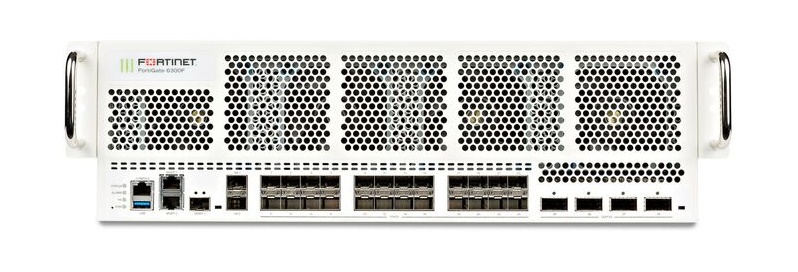
Taguig City, February 13, 2018. Fortinet® (NASDAQ: FTNT), the global leader in broad, integrated and automated cybersecurity solutions, today introduced its FortiGate 6000F Series of Next-Generation Firewalls (NGFW).

The first in the series, the FortiGate 6000F incorporates a new hardware processing architecture that delivers the validated performance of a Fortinet chassis in a compact appliance form-factor to deliver advanced security for exponentially increasing.
The FortiGate 6000F series NGFWs are ideally suited for enterprise edge networks that prioritize threat protection and encryption inspection throughput in a form-factor that enables high density, energy efficiency, and deployment simplicity.
The FortiGate 6000F is built around Fortinet’s next-generation hardware architecture that combines discrete, multi-cpu processing cards that enable chassis-class performance, resilience, and capacity.
Delivers unparalleled processing power and speed to meet the security needs of enterprise edge traffic with industry-leading encrypted traffic inspection, threat protection and NGFW performance.
The Next-Generation of FortiGate
Fortinet’s new F-series includes the FortiGate 6300F and FortiGate 6500F, which are high-performance, compact and easy to manage NGFW appliances that are integrated within the Fortinet Security Fabric.
Advanced Security Capabilities and Performance: The 6000F series are the industry’s fastest NGFW appliances, delivering advanced threat protection and SSL inspection performance to handle massive volumes of traffic at the network edge.

High Speed and Flexible Interfaces: High density zSFP+ and QSFP28 interfaces support 10G, 40G, 100Gbps and new 25G data rates to provide high speed connectivity and increased flexibility as enterprises migrate to higher density designs.
Security Fabric Integration: FortiGate firewalls serve as the foundation of the Fortinet Security Fabric and run FortiOS, the world’s most deployed network security operating system. The Fortinet Security Fabric provides broad, integrated, and automated security that is required to protect the vast digital attack surface created by digital transformation.
Next-Generation Hardware Architecture
An industry first for a security appliance, Fortinet’s next-generation hardware architecture leverages compact internal processing cards that are miniaturized versions of the blades typically used in cutting-edge modular security chassis. Each processing card combines multiple 12-core CPUs, Security Processing Units (SPUs), and Content (CP9) and Network Processors (NP6) into a discrete unit. The FortiGate 6000F series can support up to ten discrete processing cards in a 3U appliance.
The innovative design enables traditionally chassis-only benefits like high resilience and session scale while also delivering advanced security capabilities at breakthrough speeds never before seen in a compact appliance form-factor. The architecture provides additional benefits like hardware load balancing using new custom Distribution Processors (DP3) that intelligently assign tasks between the discrete processing cards.
Increase in Multi-Cloud Networks and Encrypted Traffic Requires Security Speed & Scale
Multi-cloud environments and the increasing use of IoT and mobile devices to access mission-critical applications are drastically increasing the volume of encrypted data on enterprise edge networks. The adoption of these technologies is also increasing bandwidth, throughput, and session capacity requirements that are driving enterprises to modernize their edge networks.
Additionally, the expanded digital attack surface and complex threat landscape is escalating the need for advanced security protections that can be applied with speed and scale across all connected devices. Security appliances need to be able to deliver the high performance required to protect encrypted traffic at the enterprise edge with a compact, modern interface that can seamlessly grow capacity in a smaller, efficient physical footprint.
“Enterprise adoption of the cloud is massively increasing the volume of traffic that needs to be inspected at the enterprise edge. Add to this the ever-increasing percentage of encrypted traffic and today’s NGFW’s need to perform at levels unheard of five years ago. The FortiGate 6000F high-end firewall series is built upon a new architecture that delivers the industry’s highest threat protection and encryption inspection performance to ensure enterprises can scale their defenses and meet the evolving needs of their business.”, John Maddison, senior vice president of products and solutions, Fortinet.
“Our use of the cloud continues to expand to meet the evolving business needs of our users and customers. This growth has increased the amount of traffic crossing our networks and created an imperative to continue to maintain security standards across our entire infrastructure without impacting business productivity. Our extended IT infrastructure is absolutely critical to everything we do, so it’s invaluable to have the security performance and seamless protection that Fortinet provides across our physical and cloud-based domains.” - Stuart Berman, global security architect at Steelcase
“Cloud computing is becoming increasingly popular, but gaps in protection can occur if security solutions can’t keep pace with agile public, private, and hybrid cloud environments. The growth of IoT and Mobility also puts large demands on performance and security architectures as data traverses these end points. ePlus recognizes these advances and has invested significantly in providing our customers with comprehensive security solutions to meet these growing demands. We are proud to partner with Fortinet and leverage their robust platform to both scale and secure these transformative environments.” - Pascal Perot, VP strategic alliances, security at ePlus
The first in the series, the FortiGate 6000F incorporates a new hardware processing architecture that delivers the validated performance of a Fortinet chassis in a compact appliance form-factor to deliver advanced security for exponentially increasing.
The FortiGate 6000F series NGFWs are ideally suited for enterprise edge networks that prioritize threat protection and encryption inspection throughput in a form-factor that enables high density, energy efficiency, and deployment simplicity.
The FortiGate 6000F is built around Fortinet’s next-generation hardware architecture that combines discrete, multi-cpu processing cards that enable chassis-class performance, resilience, and capacity.
Delivers unparalleled processing power and speed to meet the security needs of enterprise edge traffic with industry-leading encrypted traffic inspection, threat protection and NGFW performance.
The Next-Generation of FortiGate
Fortinet’s new F-series includes the FortiGate 6300F and FortiGate 6500F, which are high-performance, compact and easy to manage NGFW appliances that are integrated within the Fortinet Security Fabric.
Advanced Security Capabilities and Performance: The 6000F series are the industry’s fastest NGFW appliances, delivering advanced threat protection and SSL inspection performance to handle massive volumes of traffic at the network edge.

High Speed and Flexible Interfaces: High density zSFP+ and QSFP28 interfaces support 10G, 40G, 100Gbps and new 25G data rates to provide high speed connectivity and increased flexibility as enterprises migrate to higher density designs.
Security Fabric Integration: FortiGate firewalls serve as the foundation of the Fortinet Security Fabric and run FortiOS, the world’s most deployed network security operating system. The Fortinet Security Fabric provides broad, integrated, and automated security that is required to protect the vast digital attack surface created by digital transformation.
Next-Generation Hardware Architecture
An industry first for a security appliance, Fortinet’s next-generation hardware architecture leverages compact internal processing cards that are miniaturized versions of the blades typically used in cutting-edge modular security chassis. Each processing card combines multiple 12-core CPUs, Security Processing Units (SPUs), and Content (CP9) and Network Processors (NP6) into a discrete unit. The FortiGate 6000F series can support up to ten discrete processing cards in a 3U appliance.
The innovative design enables traditionally chassis-only benefits like high resilience and session scale while also delivering advanced security capabilities at breakthrough speeds never before seen in a compact appliance form-factor. The architecture provides additional benefits like hardware load balancing using new custom Distribution Processors (DP3) that intelligently assign tasks between the discrete processing cards.
Increase in Multi-Cloud Networks and Encrypted Traffic Requires Security Speed & Scale
Multi-cloud environments and the increasing use of IoT and mobile devices to access mission-critical applications are drastically increasing the volume of encrypted data on enterprise edge networks. The adoption of these technologies is also increasing bandwidth, throughput, and session capacity requirements that are driving enterprises to modernize their edge networks.
Additionally, the expanded digital attack surface and complex threat landscape is escalating the need for advanced security protections that can be applied with speed and scale across all connected devices. Security appliances need to be able to deliver the high performance required to protect encrypted traffic at the enterprise edge with a compact, modern interface that can seamlessly grow capacity in a smaller, efficient physical footprint.
“Enterprise adoption of the cloud is massively increasing the volume of traffic that needs to be inspected at the enterprise edge. Add to this the ever-increasing percentage of encrypted traffic and today’s NGFW’s need to perform at levels unheard of five years ago. The FortiGate 6000F high-end firewall series is built upon a new architecture that delivers the industry’s highest threat protection and encryption inspection performance to ensure enterprises can scale their defenses and meet the evolving needs of their business.”, John Maddison, senior vice president of products and solutions, Fortinet.
“Our use of the cloud continues to expand to meet the evolving business needs of our users and customers. This growth has increased the amount of traffic crossing our networks and created an imperative to continue to maintain security standards across our entire infrastructure without impacting business productivity. Our extended IT infrastructure is absolutely critical to everything we do, so it’s invaluable to have the security performance and seamless protection that Fortinet provides across our physical and cloud-based domains.” - Stuart Berman, global security architect at Steelcase
“Cloud computing is becoming increasingly popular, but gaps in protection can occur if security solutions can’t keep pace with agile public, private, and hybrid cloud environments. The growth of IoT and Mobility also puts large demands on performance and security architectures as data traverses these end points. ePlus recognizes these advances and has invested significantly in providing our customers with comprehensive security solutions to meet these growing demands. We are proud to partner with Fortinet and leverage their robust platform to both scale and secure these transformative environments.” - Pascal Perot, VP strategic alliances, security at ePlus


